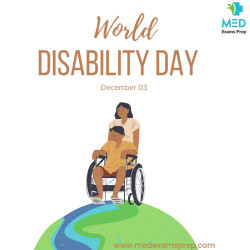
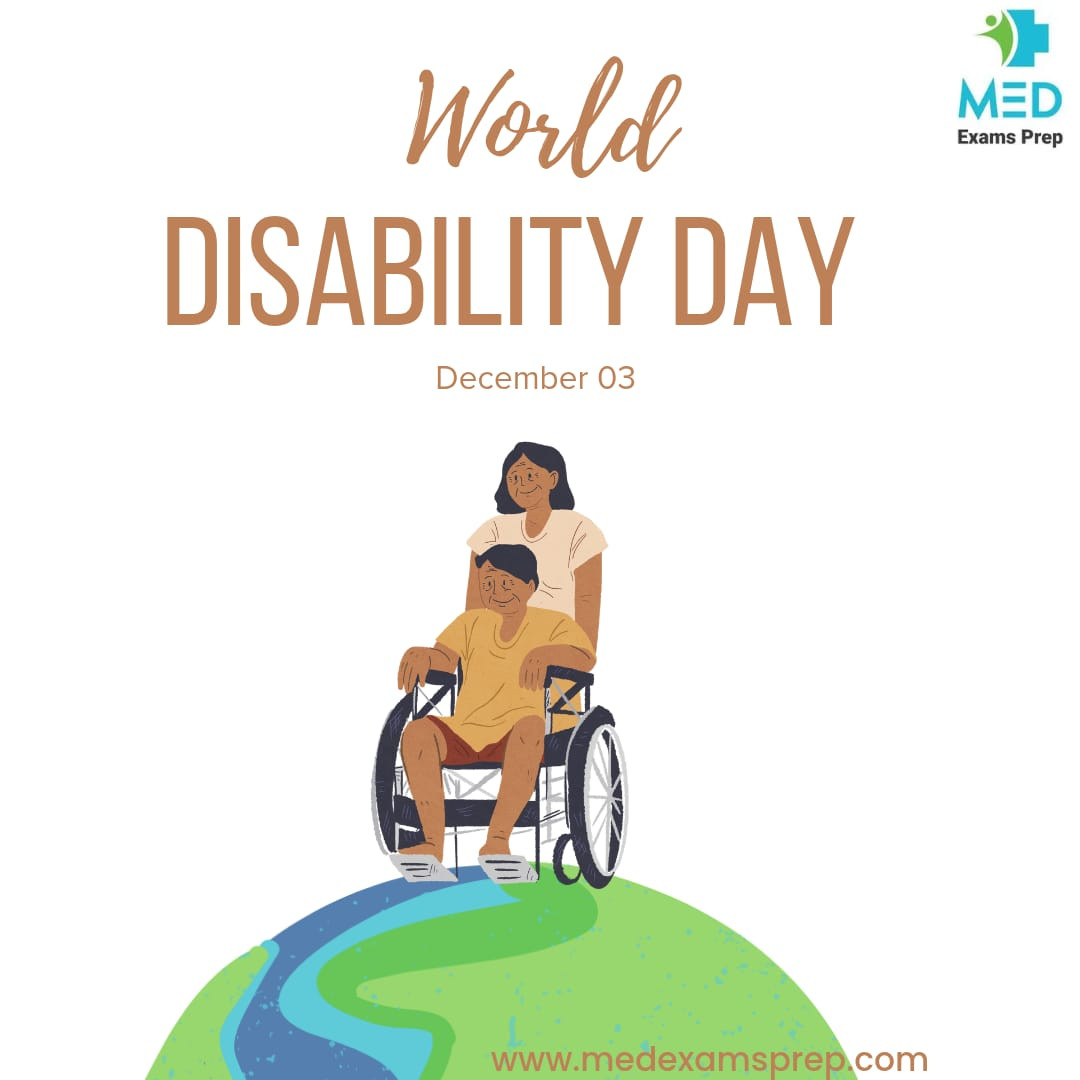
Every year on December 3, the world unites to observe World Disability Day, officially known as the International Day of Persons with Disabilities (IDPD). Established by the United Nations in 1992, this day serves as a global reminder of our shared responsibility to create societies where every individual—regardless of physical, cognitive, sensory, or mental differences—can participate fully, independently, and with dignity.
World Disability Day is more than just a symbolic observance; it serves as a powerful call to action. It urges governments, communities, organisations, and individuals to assess current systems, identify gaps, and implement reforms that enhance accessibility and inclusivity for people with disabilities (PwDs). The objective goes beyond raising awareness; it focuses on empowerment—showcasing abilities, celebrating achievements, and dismantling the barriers that prevent full participation.
Understanding Disability in Today’s World
Disability is a broad umbrella, covering physical impairments, intellectual and developmental conditions, psychosocial disabilities, sensory impairments like hearing or vision loss, neurological disorders, chronic illnesses, and more. According to global estimates, over 1.3 billion people live with some form of disability—nearly 16% of the world’s population.
What’s important to understand is that disability itself is not the obstacle. The barriers created by society—whether physical, social, economic, or attitudinal—become the real limitations. Inaccessible transportation, lack of inclusive education, workplace discrimination, absence of social support, and stigmatising attitudes are what disable people, not their conditions.
World Disability Day reminds us that disability is part of human diversity. Everyone, at some stage in life, will experience some form of temporary, situational, or permanent disability. Developing inclusive systems today prepares society for a more compassionate and functional tomorrow.
Why World Disability Day Matters
1. It Highlights the Rights of Persons with Disabilities
IDPD serves as a global platform to reinforce the principles of the UN Convention on the Rights of Persons with Disabilities (CRPD). These include equality, accessibility, independent living, inclusive education, employment opportunities, and full participation.
2. It Drives Policy and Structural Change
Countries evaluate their disability-inclusive policies on this day, ranging from healthcare reforms to accessible urban planning and inclusive education programs.
3. It Breaks Stigma and Promotes Social Awareness
Stigma often creates deeper wounds than the disability itself. Celebrating this day helps normalise disability, challenge myths, and promote respectful, informed attitudes.
4. It Encourages Inclusive Innovation
Technology—from screen readers and hearing aids to AI-driven accessibility tools—plays a major role in reducing barriers. World Disability Day encourages innovation in accessibility and assistive devices.
5. It Celebrates the Contributions and Achievements of PwDs
People with disabilities contribute to society in profound ways—academically, professionally, artistically, athletically, and socially. This day acknowledges their resilience, leadership, and success stories.
Annual Themes and Their Impact
Each year, World Disability Day focuses on a unique theme that addresses contemporary issues faced by PwDs. These themes guide governments, the UN, NGOs, and community organisations in planning events, awareness programs, and policy discussions.
Themes typically revolve around:
- Inclusive development
- Accessible technology
- Sustainable development goals (SDGs)
- Leadership and participation of PwDs
- Health and rehabilitation
- Inclusive education and employment
These themes ensure that the global disability agenda evolves with emerging challenges and opportunities.
Key Challenges Faced by Persons with Disabilities
Despite global progress, people with disabilities continue to face significant barriers. Some of the most common include:
1. Limited Accessibility
From public transportation and buildings to digital spaces and healthcare services, accessibility remains uneven and inadequate.
2. Employment Gaps
PwDs face higher unemployment rates due to workplace discrimination, lack of accommodations, or limited access to skill-development opportunities.
3. Educational Barriers
Many children with disabilities still lack access to inclusive classrooms, trained teachers, or adequate learning materials.
4. Social Stigma
Negative stereotypes, ignorance, and discriminatory attitudes persist, affecting confidence, relationships, and social participation.
5. Financial Inequality
Higher healthcare costs paired with lower employment opportunities contribute to poverty among many PwDs.
6. Policy Implementation Gaps
While many countries have disability laws, effective enforcement remains a challenge.
How World Disability Day Creates Change
1. Encouraging Accessibility Reform
Governments often launch or accelerate initiatives for accessible infrastructure, disability pensions, healthcare support, and inclusive policies.
2. Inspiring Educational Institutions to Adopt Inclusion
Schools and colleges are motivated to introduce inclusive teaching methods, assistive technologies, and teacher training.
3. Empowering Organisations to Improve Workplace Inclusion
Corporations begin or strengthen disability inclusion programs, workplace accommodations, and sensitivity training.
4. Promoting Community Awareness
Workshops, rallies, webinars, and social media campaigns help educate people about disability rights, empathy, and accessibility.
5. Advancing Assistive Technology
Innovation in mobility aids, communication devices, adaptive software, and smart home solutions expands rapidly due to increased awareness and funding.
Building an Inclusive Society: What Still Needs to Be Done
True inclusion requires long-term commitment. Some essential steps include:
1. Universal Design
Cities, websites, products, and services should be designed to be usable by everyone, eliminating the need for special accommodations.
2. Inclusive Education from Early Childhood
Every child, regardless of ability, deserves to learn in an environment that respects diversity and fosters equal learning opportunities.
3. Increased Employment Opportunities
Organisations must adopt inclusive hiring practices, reasonable workplace accommodations, and equal pay policies.
4. Stronger Legal Protections
Countries need robust laws that protect the rights of PwDs and ensure accountability.
5. Community Awareness and Empathy
Families, communities, and societies must be educated to eliminate stigma and nurture acceptance.
6. Accessible Healthcare
Healthcare providers must be trained to understand and accommodate the needs of people with disabilities.
The Role of Technology in Empowering PwDs
Technology has become one of the most powerful enablers of disability inclusion. Accessibility tools today include:
- Screen readers and magnifiers
- Voice-controlled devices
- Real-time captioning
- AI-powered hearing assistance
- Mobility aids with advanced sensors
- Braille displays
- Smart prosthetics
- Speech-to-text and text-to-speech software
Digital accessibility is no longer optional—it is essential. Tech companies, institutions, and governments must ensure that their platforms and services are designed for all users.
How Individuals Can Contribute
Creating an inclusive world is everyone’s responsibility. You can help by:
- Using respectful and inclusive language
- Avoiding stereotypes and assumptions
- Supporting accessible infrastructure
- Volunteering with disability organisations
- Encouraging inclusive hiring and education
- Learning basic sign language
- Advocating for disability rights in your community
Small, consistent efforts lead to major societal change.
Conclusion: A World Where Everyone Belongs
World Disability Day is a powerful reminder that inclusion is not charity—it is a human right. People with disabilities deserve equal opportunities, independence, dignity, and representation in every sphere of life. By fostering accessibility, breaking stereotypes, and embracing universal design, we can create societies where everyone can thrive.
A truly inclusive world celebrates diversity, values abilities over limitations, and ensures that no one is left behind.